
Winter Tires in Saskatchewan: When to Switch and Why the 7°C Rule Matters
Saskatchewan drivers know the cold season can show up fast and hang on for months. The question each fall is simple: when should the winter tires go on? Most Canadian tire guidance points to one number to watch, and that number is 7°C. Once daily temperatures stay around or below 7°C, winter tires start to […]

Saskatchewan drivers know the cold season can show up fast and hang on for months. The question each fall is simple: when should the winter tires go on? Most Canadian tire guidance points to one number to watch, and that number is 7°C.
Once daily temperatures stay around or below 7°C, winter tires start to earn their keep. This guide explains why that number matters, how to time your fall and spring swaps, and a few habits that keep your Chevrolet ready for winter roads.
Why 7°C Is the Number to Watch
Tire rubber reacts to temperature. All-season tires use a compound that stiffens as the air gets colder. A stiffer tire has a harder time gripping the road, even before the first snowfall.
Winter tires use compounds built to stay flexible in the cold. That flexible rubber keeps more of the tread in contact with the road. The 7°C mark is widely used Canadian guidance for the point where that difference starts to matter.
Watch the trend over several days. The signal to switch is when temperatures stay around or below 7°C most days.
What Makes a Winter Tire Different
Winter tires have extra sipes. These are small biting edges cut into the tread. They grab onto snow and ice and help the tire hold its line.
Look for the three-peak mountain and snowflake (3PMSF) symbol on the sidewall. It marks tires that pass a severe-snow standard. The M+S (mud and snow) marking is a different, less strict standard.
All-weather tires also carry the 3PMSF symbol and can stay on all year. Dedicated winter tires are built for cold, snow and ice, and they come off in spring. For a long, cold Saskatchewan season, many drivers choose a dedicated winter set.
Fall: When to Put Winter Tires On
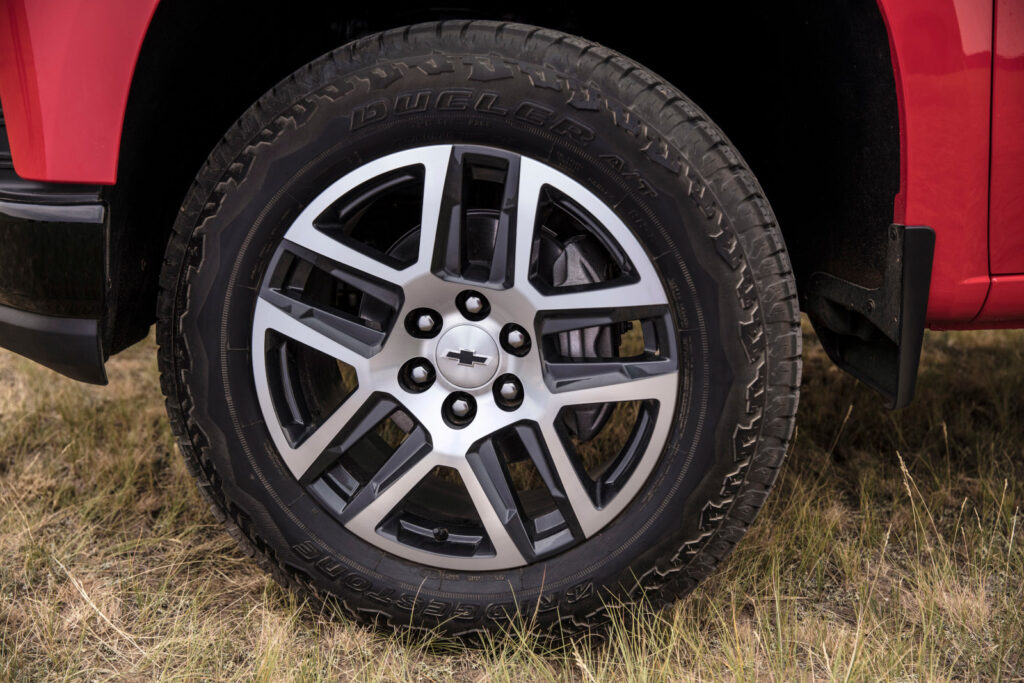
Start watching the forecast as fall settles in. When the daily highs start sitting around 7°C, it is time to book. Waiting for the first big snowfall often means waiting in line.
Book your appointment early. Tire shops get busy once the cold arrives, and an early booking gives you a better choice of dates and times.
Saskatchewan’s cold season runs long, so your winter tires will spend plenty of time on the road. That makes the fall install one of the most useful service visits of the year.
Spring: When to Switch Back
The same 7°C guide works in reverse. Once temperatures stay above 7°C most days, your winter tires have done their job for the season.
Soft winter rubber is built for the cold. On warm pavement it is out of its element, so plan your spring swap once the milder weather looks settled for good.
When the winter set comes off, store it in a cool, dry place out of sunlight. That keeps the tires in good shape for next season.
Why AWD Is No Substitute for Winter Tires
Many Chevrolet SUVs and trucks on Saskatchewan roads run all-wheel drive or four-wheel drive. AWD and 4WD help you get moving from a stop. They do not help you stop or turn.
Stopping and steering depend on your tires. That is why winter tires matter on every vehicle, including one with AWD. Always install four matching winter tires so all four corners have the same grip.
Your Winter Tire Timing Checklist
- Watch for daily temperatures staying around or below 7°C, then book your install early.
- Install four matching winter tires with the 3PMSF symbol.
- Check tire pressure monthly in cold weather, using the placard on the door jamb.
- Swap back once temperatures stay above 7°C, and store the set cool, dry and out of sunlight.
Cold air lowers tire pressure, which is why the monthly check matters so much through a Prairie winter. A second set of wheels for your winter tires also makes each seasonal swap faster.
Key Takeaways
| Topic | What to Know |
| When to install | Once temperatures stay around or below 7°C |
| When to remove | Once temperatures stay above 7°C |
| Why it matters | All-season rubber stiffens in the cold |
| Symbol to look for | Three-peak mountain and snowflake (3PMSF) |
| How many tires | Four matching winter tires |
| AWD or 4WD | Helps you get moving, not stop or turn |
| Pressure | Check monthly when it is cold |
Plan Your Winter Tire Swap with Saskatoon Motor Products Chevrolet
Thinking about winter tires for your Chevrolet this season? The team at Saskatoon Motor Products Chevrolet in Saskatoon is happy to answer your questions and help you choose a set that suits how you drive. Reach out or stop by to book your seasonal swap ahead of the busy rush.